
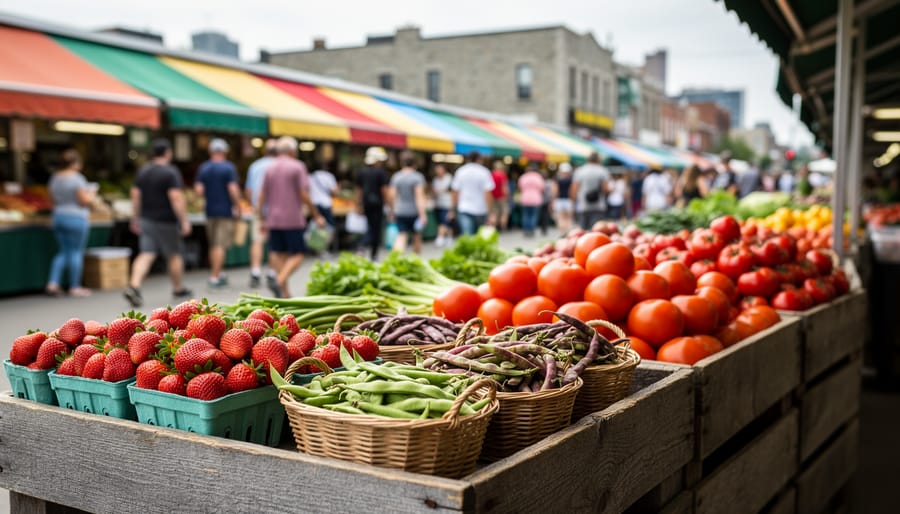
Montreal’s food markets are where the city’s soul meets the table, offering everything from year-round indoor halls packed with Quebec produce to seasonal European-style Christmas markets. If you’re hunting for authentic shopping experiences that go beyond supermarkets, your best bets are the legendary Marché Jean-Talon in Little Italy (open every day, shifting from outdoor stalls in summer to cozy indoor aisles come October) and the festive Grande Marché de Noël in the Quartier des spectacles, running November through early January 2027.
These aren’t just places to grab groceries. They’re central to understanding Montreal’s local culture context where French, Italian, Portuguese, and Lebanese vendors haggle in three languages, grandmothers squeeze tomatoes alongside culinary school students, and the smell of fresh bagels mingles with aged cheese. From June to October, Jean-Talon closes its aisles to cars, turning the market into a pedestrian festival of strawberries, heirloom beans, and maple everything.
Whether you need practical visiting hours, insider tips on avoiding weekend crowds, or want to know which stalls locals swear by, this guide breaks down Montreal’s top market picks with the logistics you need to actually show up and shop like you live here.
Why Montreal’s Food Markets Are Worth Your Time
Montreal’s food markets aren’t just places to buy groceries. They’re living snapshots of the city’s soul, where three centuries of culinary tradition collide with waves of immigration from every corner of the globe. Walk through any major market on a Saturday morning and you’ll hear vendors switching effortlessly between French, English, Italian, Portuguese, and Arabic as they hand over bunches of fresh herbs or slice jambon de Bayonne.
The farm-to-table connection here is real, not a marketing angle. Quebec farmers bring produce that was in the ground yesterday, maraîchers sell vegetables you won’t find in supermarkets, and seasonal eating isn’t a trend but the default rhythm. Come in June for strawberries that taste like actual fruit, not refrigerated water. Show up in October for squash varieties your grandmother would recognize.
What makes these markets essential is how they function as community living rooms. Regulars catch up with their favourite cheese monger, families make it a weekly ritual, and tourists stumble into something that feels authentically local because it is. You’re not watching Montreal culture through glass; you’re standing in it, elbows-deep in a bag of fresh bagels, figuring out what to do with ramps for the first time. Markets here reward curiosity. They’re messy, loud, crowded on good days, and completely unlike the controlled experience of grocery shopping. That’s exactly the point.
Top Montreal Food Markets to Explore
1. Marché Jean-Talon
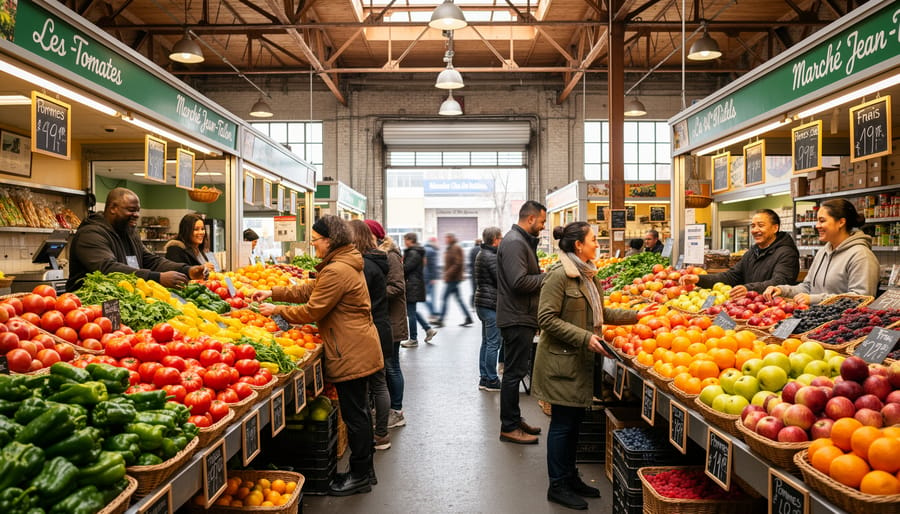
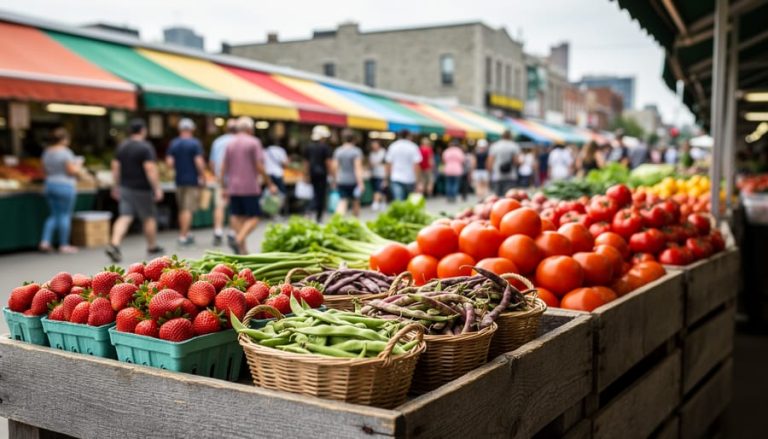
Step into Marché Jean-Talon on a Saturday morning and you’ll understand why this sprawling market in Little Italy has been Montreal’s food destination since 1933. Vendors call out prices in French and Italian, shoppers juggle armfuls of leeks and baguettes, and the air smells like ripe strawberries mixed with fresh-baked tarte au sucre. This is Montreal’s largest public market, and it earns that title.
The market transforms with the seasons. Towards the end of April, outdoor aisles open up and the place explodes with color, greenhouse flowers, early greens, and Quebec maple syrup in every grade. From June to October, the Marché Jean-Talon description notes that the aisles become pedestrian-only, making it easy to wander between outdoor stalls piled high with heirloom tomatoes, corn, and basil bunches the size of bouquets. Come October, the market puts up its walls and shifts indoors for winter, but the energy doesn’t dim, root vegetables, squash, and greenhouse herbs keep the stalls full year-round.
Seek out the fromagers for unpasteurized Quebec cheeses you can’t find elsewhere, and don’t miss the prepared food counters where you can grab Moroccan pastries or Portuguese grilled chicken. After shopping, the surrounding Little Italy neighborhood rewards you with espresso bars and trattorias within a two-block radius.
2. Marché Atwater
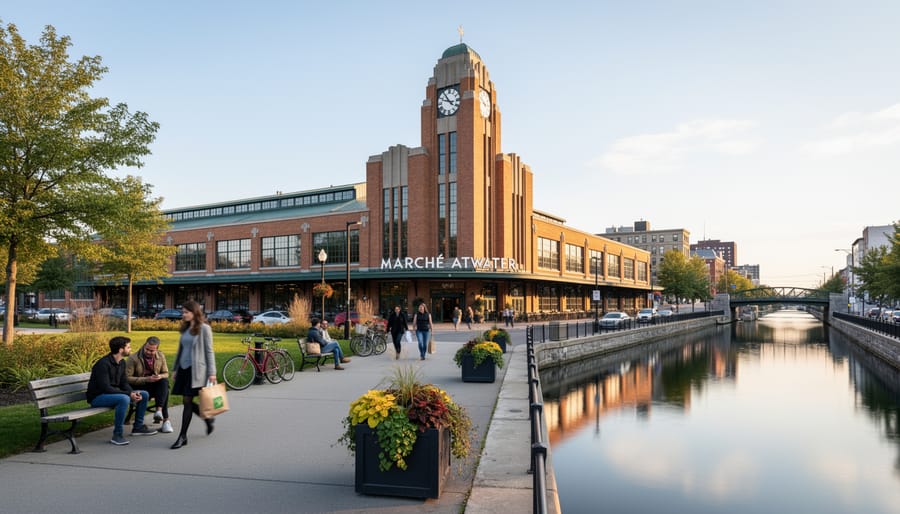
Marché Atwater sits in a 1933 Art Deco building along the Lachine Canal, and its refined architecture sets the tone for what you’ll find inside. This market skews upscale compared to Jean-Talon, think award-winning butchers, specialty cheese counters with cave-aged selections, and produce displays that look almost too perfect to touch. The vibe is calmer and more polished, drawing serious home cooks and food lovers who come specifically for quality over quantity.
Weekday mornings are your best bet for a leisurely browse before the weekend crowds arrive. The surrounding neighborhood rewards exploration: grab supplies, then pair with canal stroll along the waterfront bike path, or duck into one of the nearby bakeries for a post-market coffee. The butcher shops here are legendary, locals will tell you they’re worth the trip alone. Unlike Jean-Talon’s sprawling outdoor energy, Atwater feels more curated and contained, but no less essential to Montreal’s market scene.
3. The Great Christmas Market of Montreal
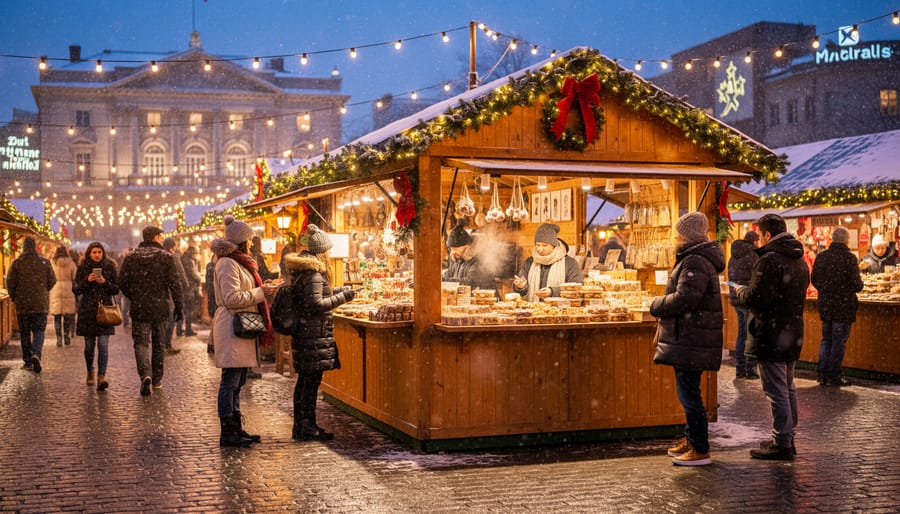
When the temperature drops and the first snowflakes dust Sainte-Catherine Street, the Quartier des spectacles transforms into something straight out of a European postcard. The Great Christmas Market dates for 2026 run from November 13 through January 3, 2027, and you’ll find it at 1499 Jeanne-Mance, nestled between Balmoral and the main street action.
This isn’t your typical farmers’ market with produce and cheese. Think Alpine chalets lined up in rows, their wooden facades strung with fairy lights and steaming hot cider stands beckoning you closer. The focus here shifts to artisan crafts, handmade ornaments, gourmet holiday treats like spiced nuts and chocolate, and warming drinks that keep your hands toasty between browsing sessions. Local makers set up alongside vendors selling European imports, from hand-carved nutcrackers to woolen scarves perfect for Montreal winters.
The real magic happens after dark. Evening visits bring out the full spectacle: illuminated displays, carolers weaving through crowds, and that particular buzz of holiday energy that Montreal does so well. It’s become a cornerstone of the city’s winter cultural calendar, drawing locals and tourists who want the festive market experience without booking a flight to Strasbourg.
4. Marché Maisonneuve
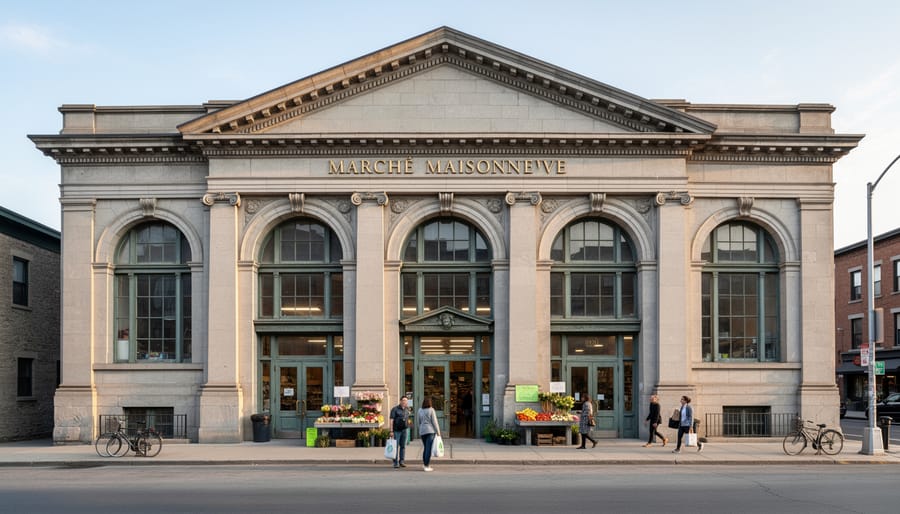
Tucked away in the Hochelaga-Maisonneuve neighborhood, Marché Maisonneuve feels like Montreal’s best-kept secret. While tourists flock to Jean-Talon and Atwater, locals who know slip into this stunning Beaux-Arts building for a quieter, more authentic market experience. The 1914 structure alone is worth the trip, vaulted ceilings, natural light flooding through tall windows, and architectural details that remind you this market has anchored the community for over a century.
Inside, you’ll find the same quality Quebec produce, artisan cheeses, and fresh-baked bread as the bigger markets, just without the shoulder-to-shoulder crowds. Vendors here know their regulars by name, and there’s space to actually browse without getting swept along in a current of shoppers. The selection leans heavily toward neighborhood needs, practical everyday ingredients alongside weekend treats. The atmosphere is unhurried, almost village-like, despite sitting in Canada’s second-largest city.
Visit on a Saturday morning to see the market at its liveliest, when families stock up for the week and the café smells mix with fresh flowers from the corner stalls.
5. Marché de l’Ouest
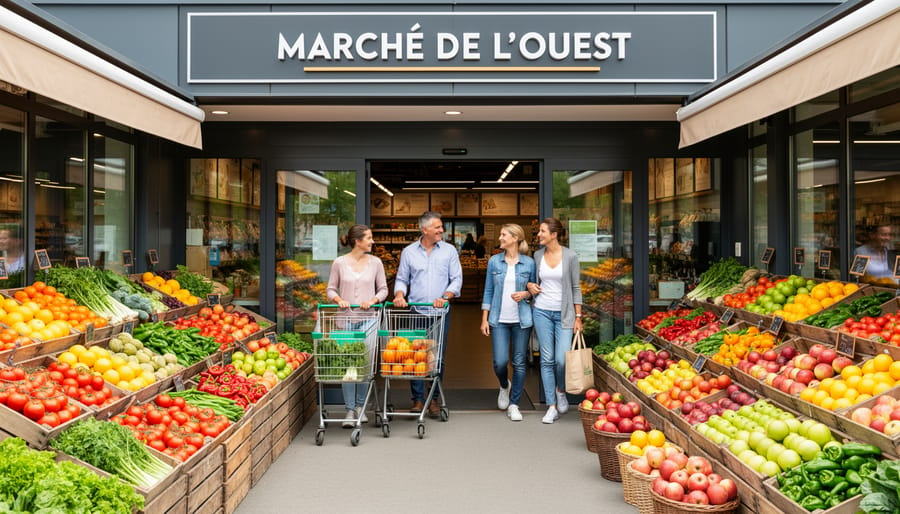
Tucked away in the West Island at 11600 rue de Salaberry, Marché de l’Ouest serves as the community food hub for neighborhoods like Dollard-des-Ormeaux, Pierrefonds, and Roxboro, areas often overlooked in downtown-centric market guides. This is where suburban families do their weekend shopping, and the atmosphere reflects that: strollers navigate wide aisles, kids sample fruit, and regulars chat with vendors they’ve known for years.
The market’s biggest practical advantage is parking. While Jean-Talon and Atwater force you into the hunt for street spots or paid lots, de l’Ouest offers ample free parking right on-site, a game-changer when you’re loading up on groceries. The indoor space keeps things comfortable year-round, and the scale feels manageable rather than overwhelming.
You’ll find the essentials: seasonal produce from Quebec farms, a solid butcher counter, fresh-baked bread, and cheese selections that satisfy without the intimidation factor of downtown specialty shops. It’s not about discovering rare imports or artisan trends here; it’s about reliable quality and convenience for people who live nearby and prefer supporting local vendors over big-box stores.
6. Marché Fermier Bio de Montréal
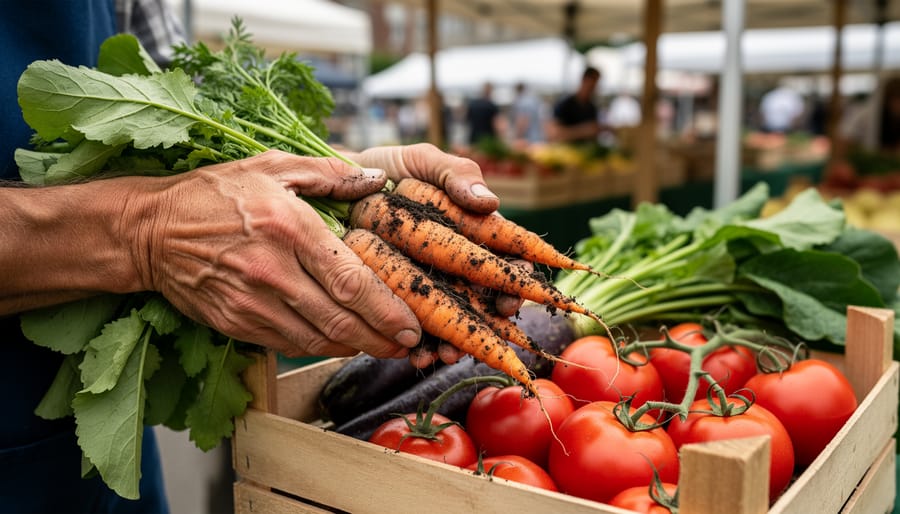
The Marché Fermier Bio de Montréal takes a different approach than the city’s permanent market halls. This certified organic farmers’ market operates as a roaming circuit, setting up at various locations across Montreal throughout the growing season. You’ll find it in neighborhoods like Rosemont, Hochelaga-Maisonneuve, and Plateau Mont-Royal on different days of the week, bringing local organic produce directly to different communities.
What sets this market apart is its strict certification standards. Every vendor must meet Quebec’s organic farming requirements, which means no synthetic pesticides, no GMOs, and a commitment to sustainable agriculture practices. The selection skews heavily toward vegetables, fruits, and herbs grown within a few hours of the city, often harvested the morning of the market. You’ll also find organic bread, honey, preserves, and sometimes grass-fed meats from certified producers.
The atmosphere is low-key and neighborhood-focused. These markets are smaller than Jean-Talon or Atwater, usually featuring fifteen to twenty-five vendors in a park or public square. Regulars bring their own bags, chat with farmers about growing methods, and treat it as a weekly ritual rather than a tourist destination.
What You’ll Find at Montreal Food Markets

Montreal’s markets are treasure troves where Quebec terroir meets global flavours. The produce stalls burst with what’s actually growing right now, asparagus and rhubarb in spring, heirloom tomatoes and corn in summer, squash and apples come fall. You’ll spot varieties you won’t find at grocery chains, like striped German tomatoes or white strawberries.
The cheese counters deserve their own pilgrimage. Quebec produces over 700 artisan cheeses, and market vendors carry the province’s best: creamy Riopelle from Île-aux-Grues, pungent Le Baluchon, tangy chèvre from the Eastern Townships. Most vendors offer samples, so taste before committing.
- Quebec terroir: maple syrup, ice cider, unpasteurized honey, foie gras, heritage grains
- Multicultural ingredients: harissa, tahini, fresh pasta, Portuguese bacalhau, Jewish rye bread
- Seasonal specialties: spring fiddleheads, summer chanterelles, fall cider apples, winter root vegetables
- Artisan goods: handmade soaps, ceramics, woolen mitts, preserves, fresh-cut flowers
The charcuterie selection runs deep, proper European-style terrines, Montreal smoked meat from legendary smokers, duck confit, and house-made sausages that change weekly. Prepared food stalls solve lunch: Moroccan b’stilla, Vietnamese banh mi, fresh empanadas, wood-fired pizza.
Montreal’s diversity shows up in unexpected corners. You’ll find Portuguese custard tarts beside Italian biscotti, Lebanese za’atar next to Jewish challah, halal butchers across from French pâtisseries. The city’s food cultures don’t just coexist, they share counter space.
Practical Information for Visiting
Getting to Montreal’s food markets is straightforward, and knowing the logistics ahead of time makes your visit smoother. Most major markets sit near metro stations: Jean-Talon has its own stop on the Orange Line, Atwater is steps from the Green Line, and Maisonneuve connects via the Green Line at Pie-IX. If you’re biking, Montreal’s network of bike paths reaches most markets, and you’ll find BIXI stations nearby. Parking exists at larger markets like Jean-Talon and Marché de l’Ouest, but spots fill up fast on weekends, especially during summer.
| Market Name | Metro Station | Peak Season | Special Notes |
|---|---|---|---|
| Jean-Talon | Jean-Talon (Orange) | June-October | Outdoor aisles open late April |
| Atwater | Atwater (Green) | Year-round | Canal-side location |
| Maisonneuve | Pie-IX (Green) | Summer-fall | Less crowded than Jean-Talon |
| Christmas Market | Place-des-Arts (Green/Orange) | Nov 13-Jan 3 | Evening visits recommended |
Hours vary by market and season. Year-round markets like Jean-Talon typically open around 7am and close between 6pm and 8pm, with shorter hours in winter. Seasonal markets keep their own schedules, so check before heading out.
Bring cash. Many vendors prefer it, and some smaller stalls don’t take cards at all. Having twenties and smaller bills speeds up transactions. Pack reusable bags since plastic isn’t always available, and they’re better for hauling fresh produce anyway.
Most markets have wheelchair-accessible entrances and wide aisles, though outdoor sections can get crowded. Saturday mornings draw the biggest crowds, so consider weekday visits if you want elbow room. Basic market etiquette applies: don’t handle produce unless you’re buying, ask before sampling, and a simple “bonjour” when approaching vendors goes a long way.
Local Tips from Market Regulars
Arrive at Jean-Talon or Atwater by 9 a.m. on Saturday for the widest selection and freshest picks, but circle back an hour before closing if you’re hunting for deals. Vendors often discount produce and prepared foods rather than haul them home. Cash remains king at many stalls, and having fives and tens ready speeds things along while signaling you know the drill.
Don’t grab produce yourself unless invited. Ask to taste cheese or charcuterie, but buy something if you sample multiple items. The busiest stalls with lines snaking into the aisle usually signal quality, though quieter corners sometimes hide gems run by third-generation farmers who remember their regulars.
Plan a market day around the surrounding neighborhood. Jean-Talon pairs perfectly with Little Italy cafés for post-shopping espresso, while Atwater leads naturally to canal-side walks. Hit markets mid-week if you want elbow room and actual conversations with vendors instead of jostling through weekend crowds.
Frequently Asked Questions
The major markets like Jean-Talon and Atwater operate year-round, though the experience shifts with seasons, outdoor stalls close up in October and reopen in late April. Most vendors are bilingual and comfortable switching between French and English, especially at the larger tourist-friendly markets. Credit cards are increasingly accepted, but bring cash for smaller vendors and better haggling leverage near closing time. Dogs on leashes are generally welcome in outdoor areas, though it’s courteous to keep them clear of crowded food stalls.
Are Montreal food markets open in winter?
Yes, the permanent markets like Jean-Talon and Atwater stay open year-round, moving entirely indoors from October through late April. The Great Christmas Market runs seasonally from November 13, 2026 to January 3, 2027.
Do I need to speak French at the markets?
Not necessarily, most vendors at major markets are bilingual, though a few basic French phrases will earn you smiles and sometimes better prices.
How crowded do the markets get?
Saturday mornings at Jean-Talon and Atwater can feel shoulder-to-shoulder, especially in summer. Weekday afternoons or Sunday mornings offer easier browsing.
Can I bring my dog?
Leashed dogs are typically fine in outdoor market areas, but use judgment in packed indoor sections where space gets tight.
Winter markets have their own charm, fewer crowds, heartier root vegetables, and the cozy intimacy of heated indoor halls. If you’re planning a picnic after markets summer and early fall offer the best selection of fresh produce and prepared foods to take outdoors.







+ There are no comments
Add yours