
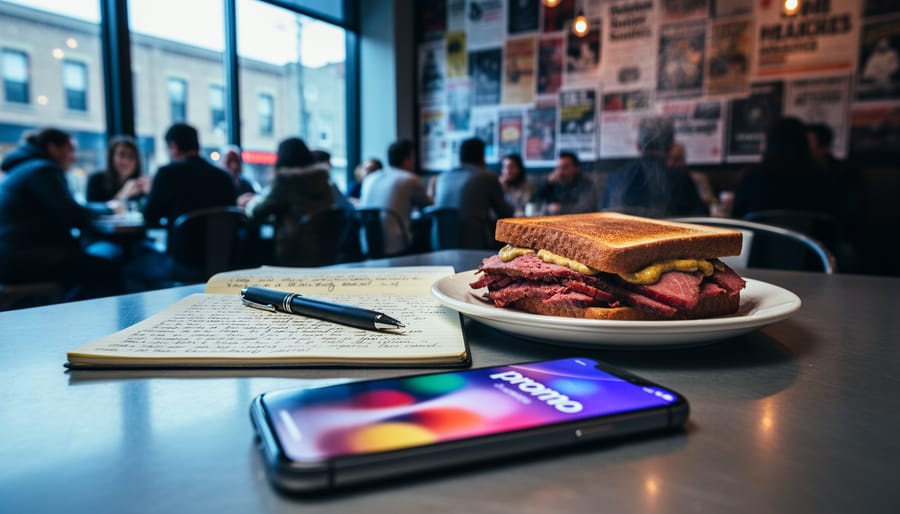
Journalistic integrity means reporting honestly, disclosing conflicts of interest, and prioritizing truth over clicks, and in Montreal’s crowded culture scene, where every bar opening and festival gets hyped by a dozen outlets simultaneously, distinguishing independent coverage from thinly veiled brand promotion has become genuinely difficult. The city’s media landscape in 2026 is packed with blogs, Instagram accounts, and “digital magazines” that blur the line between editorial and advertising so thoroughly that readers often can’t tell who’s paying whom.
Here’s what actually matters: a publication with integrity tells you when a restaurant comped a meal, refuses to let advertisers dictate coverage, and corrects mistakes publicly. It’s the difference between a critic who waits in line at Schwartz’s like everyone else and an “influencer” whose glowing Mile End café review conveniently omits that the owner is footing their rent.
For anyone trying to navigate Montreal’s food and culture coverage, whether you’re a Plateau regular deciding where to spend your Friday night or a first-time visitor sorting through conflicting recommendations, understanding these standards isn’t academic. It directly affects whether the “must-visit” spot you read about is genuinely excellent or just excellent at marketing.
The challenge is real. Undisclosed partnerships, pay-to-play “best of” lists, and advertorial content dressed up as journalism have eroded trust across the board. But once you know what ethical reporting looks like and which red flags to watch for, spotting the difference becomes straightforward. The good news? Montreal still has plenty of sources doing this work right.
What Journalistic Integrity Actually Means in Culture Coverage
In culture journalism, integrity isn’t about pretending to be objective, it’s about being honest with readers about where you’re coming from and what influences your perspective. When a journalist reviews a new Mile End restaurant or covers a festival in the Quartier des Spectacles, several core principles should guide that coverage.
- Editorial Independence
- The publication decides what to cover based on reader interest and news value, not which venues paid for exposure or offered complimentary services.
- Transparency
- Clear disclosure of any relationships, free meals, press trips, or other considerations that could influence coverage, along with how the story was researched.
- Fact-Checking
- Verifying claims about a venue’s history, chef credentials, menu details, and operating hours before publication rather than copying press releases.
- Honest Assessment
- Reporting both strengths and weaknesses of an experience rather than delivering only praise, even when a venue is beloved or well-connected.
- Conflict Disclosure
- Acknowledging when a journalist has personal or professional ties to people or businesses being covered.
The difference between integrity-driven journalism and advertorial content often comes down to who controls the narrative. An advertorial presents the restaurant or venue’s preferred story, the one designed to get you through the door. Editorial content tells you what you actually need to know to decide if it’s worth your time and money. Influencer promotions fall somewhere in between, but when someone’s getting paid per post or receiving constant freebies, their “honest opinion” becomes a marketing tool with a friendly face.
Real journalistic integrity means the publication maintains the power to say no, to turn down advertising from venues it plans to review critically, to publish unflattering but truthful assessments, and to prioritize reader trust over revenue relationships. That’s increasingly rare in Montreal’s crowded culture media landscape, where many platforms blur the line between editorial and sponsored content.
The Paid Partnership Problem: When Restaurants and Venues Buy Coverage
Walk into any trendy Mile End bistro on a Tuesday afternoon and you’ll likely see them: Instagram accounts with 50k followers, cameras out, shooting every angle of a perfectly plated dish they haven’t paid for. The restaurant gets content, the creator gets exposure (and a free meal), and everyone walks away happy, except the reader who just dropped $80 based on that glowing post without knowing it was a trade.
This isn’t the exception in Montreal’s food and culture coverage anymore. It’s become the norm. Restaurants pay for features in local blogs, venues compensate influencers with free experiences in exchange for positive coverage, and some platforms have built entire business models around selling “editorial” placements that look identical to their actual journalism. The lines have blurred so thoroughly that readers often can’t tell whether they’re reading an honest assessment or a disguised advertisement.
The mechanics vary, but the result is the same. Some outlets charge restaurants flat fees for inclusion in “best of” lists. Others offer “sponsored content” that mimics their editorial design so closely that only a tiny disclaimer at the top reveals its true nature. Influencers might hashtag #partner or #ad buried among fifteen other hashtags, meeting the technical requirement for disclosure while ensuring most readers miss it entirely.
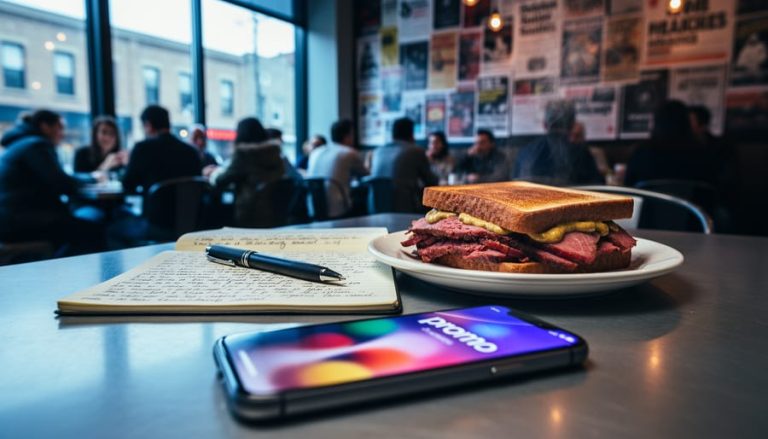
Here’s what to watch for: overly enthusiastic language without specific details, coverage that describes everything as “amazing” without explaining why, posts that avoid any criticism whatsoever, and suspiciously high production values for accounts that don’t typically invest in professional photography. Genuine reviews mention specifics, the texture of that smoked meat, why the service felt rushed, how the acoustics make conversation difficult. Paid partnerships tend to stay surface-level, focusing on aesthetics over substance because criticism wasn’t part of the arrangement.
The most insidious versions don’t disclose the relationship at all, violating both advertising standards and reader trust. When a neighborhood blog publishes a rave review without mentioning the owner bought a sponsorship package, that’s not journalism. It’s marketing wearing a press pass.

Why Editorial Independence Protects Your Experience (and Your Wallet)
Editorial independence means you’re reading a reviewer who can actually criticize what they’re covering. When a site accepts payment for positive coverage or relies heavily on advertiser relationships, every recommendation becomes suspect. Did they praise that new Plateau bistro because the food genuinely impressed, or because the restaurant bought a sponsorship package?
The financial impact hits your wallet directly. An independent reviewer who visited anonymously three times and paid full price knows whether that $85 tasting menu delivers real value or leaves you hungry and disappointed. They’ll tell you when service collapsed on a busy Saturday, when portion sizes shrank after opening hype faded, or when a venue’s Instagram aesthetic doesn’t match the actual experience. Sponsored content can’t offer those warnings, the business relationship prevents honest critique.
Time matters just as much as money. Montreal offers hundreds of dining options, galleries, and cultural events competing for your limited free evenings. Following a reviewer with no commercial conflicts means you’re less likely to waste a Friday night at an overhyped spot that paid for coverage. Independent journalism functions as a filter that actually works in your interest rather than an advertiser’s.
The same principle applies across all culture coverage. When a site recommends the best beach spots or weekend activities, editorial independence ensures those suggestions reflect genuine quality rather than whoever paid for promotion. You’re getting curated recommendations based on expertise and repeated experiences, not marketing budgets.
This protection becomes especially valuable for special occasions. An independent review can steer you toward restaurants that justify their prices and away from expensive disappointments, the difference between a memorable anniversary dinner and an evening you’d rather forget.
How Expert Journalists Vet Montreal’s Culture Scene
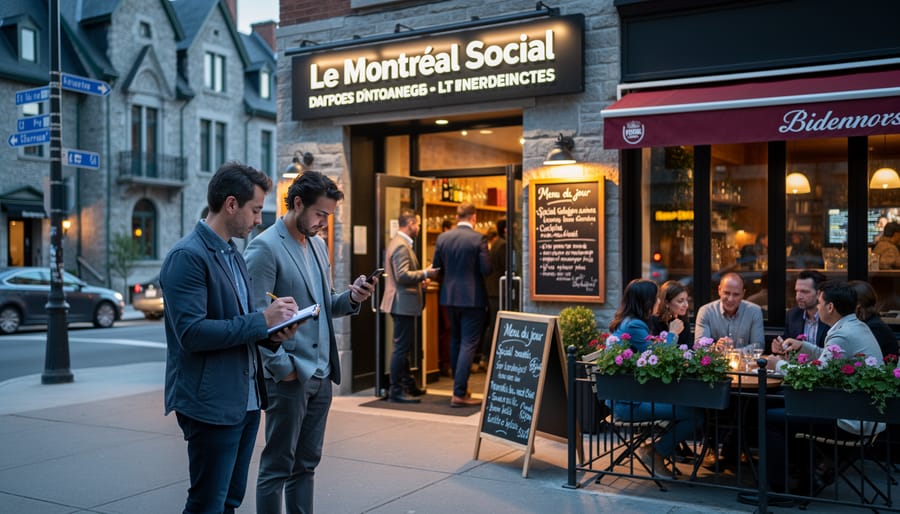
Anonymous Visits and Multiple Experiences
When a restaurant knows a journalist is coming, suddenly the chef materializes tableside, portion sizes mysteriously double, and that special off-menu dish appears. This VIP treatment creates a fundamentally different experience than what regular diners get on a random Tuesday night.
That’s why credible culture journalists visit anonymously. They book under personal names, arrive unannounced, and pay full price like everyone else. No press releases, no special invitations, no complimentary tastings that showcase a venue’s absolute best while hiding its everyday reality.
But one anonymous visit isn’t enough either. Montreal restaurants can have off nights, a key cook called in sick, a shipment arrived late, the AC broke during a heat wave. A single mediocre meal doesn’t mean a venue lacks quality, just like one exceptional experience doesn’t prove consistency.
Multiple visits over weeks or months reveal patterns. Is the service consistently attentive or only when it’s slow? Does the kitchen maintain standards on Friday at 8 PM when they’re slammed? Are weekend brunch portions as generous as weeknight dinner?
This approach takes more time and costs more money than accepting a single comp meal. But it’s the only way to report what you’ll actually experience when you walk through that door with your own reservation and credit card.
Local Expertise and Cultural Context
Montreal isn’t just another city, and treating it like one is where content fails. The bilingual landscape means knowing that “resto” and “dépanneur” aren’t just cute words, they’re how locals navigate their city. Experienced journalists here understand the tension between anglophone and francophone cultural institutions, the significance of neighborhoods like Plateau versus Griffintown, and why lumping “Old Montreal” experiences together misses the point entirely.
When journalists lack this context, you get lists that treat Schwartz’s and Au Pied de Cochon as interchangeable “Montreal experiences” instead of understanding their completely different cultural positions. Algorithm-driven platforms optimize for search volume, not cultural accuracy, which is why they recommend the same tourist traps while missing the Jean-Talon Market vendor who’s been perfecting their craft for three decades.
Real local expertise shows up in the details: knowing that terrasse season operates on Montreal’s own unpredictable timeline, understanding how BYOW culture works across different neighborhoods, recognizing when a new restaurant is actually addressing a gap versus chasing Instagram aesthetics. This depth requires years of embedded experience and editorial transparency that tourist content and sponsored posts simply can’t match.
The Real Cost of Fake Authenticity
When platforms chase clicks over credibility, Montreal’s cultural ecosystem pays a steep price. That mediocre Mile End brunch spot with the Instagram-perfect lighting? It’s booked solid for weeks while the family-run Portuguese café down the street, serving better food at half the price, struggles to fill tables. This isn’t just unfair to restaurant owners. It wastes your Saturday morning and your forty bucks.
The cycle feeds itself. Venues learn that paying for promotion or courting influencers delivers more customers than focusing on quality. Some restaurants now design dishes primarily for social media impact rather than flavour. Others invest in PR campaigns instead of staff training or ingredient sourcing. The establishments that refuse to play the game, often the ones with the deepest roots in Montreal’s neighbourhoods, get buried under an avalanche of paid content masquerading as genuine recommendations.
Reader trust erodes quickly once people realize they’ve been steered wrong repeatedly. A 2025 survey found that 68% of Montreal residents now doubt restaurant recommendations they encounter online, up from 41% in 2023. That skepticism hurts everyone, including platforms that maintain editorial standards. When readers can’t distinguish between genuine journalism and disguised advertising, they stop trusting all sources equally.
The cultural damage runs deeper. Montreal’s food scene thrives on diversity, experimentation, and neighbourhood character, qualities that don’t always photograph well or generate viral moments. When integrity gives way to engagement metrics, we risk flattening the city’s rich culinary landscape into a series of photogenic backdrops. The Portuguese café closes. The Instagram spot eventually fades when the algorithm moves on. And Montreal loses a bit of what made it worth writing about in the first place.
How to Identify Trustworthy Culture Coverage in 2026
Start by checking the masthead and About page of any Montreal culture publication. Legitimate journalism operations clearly identify their editorial team, ownership structure, and contact information. If you can’t find real names, professional backgrounds, or a physical address, you’re likely looking at content marketing dressed up as editorial coverage.
Look for explicit editorial policies and disclosure statements. Publications with integrity post clear guidelines about how they handle sponsored content, when they accept press trips or complimentary meals, and how they maintain editorial independence. These policies shouldn’t be buried, they should be accessible from the main navigation. If a site reviewing Montreal’s real beach vibes or newest restaurants doesn’t explain their review process, that’s a red flag.
When evaluating Montreal culture coverage, look for these credibility markers:
- Named journalists with verifiable professional backgrounds and social media presence
- Clear distinction between editorial content and sponsored posts, with visible labels
- Detailed coverage that demonstrates first-hand experience and local knowledge
- Critical perspectives alongside positive reviews, honest journalism includes constructive criticism
- Correction policies that acknowledge and fix errors transparently
- Multiple contact methods for reader feedback and tips
Pay attention to bylines and author consistency. Content farms and marketing platforms rotate anonymous writers or use generic bylines like “The Team.” Credible publications feature identifiable journalists who develop expertise over time in specific beats, food, music, arts, and whose work you can follow across multiple articles.
Check whether the platform covers Montreal’s full cultural spectrum or just advertisers. If every restaurant review is glowing and conveniently links to reservation platforms with affiliate codes, you’re reading curated marketing, not journalism. Real coverage includes neighbourhood spots, critical analysis, and venues that don’t have PR budgets.
Journalistic integrity isn’t some abstract principle debated in journalism schools, it’s what determines whether you waste your Friday night at an overhyped restaurant or discover a hidden gem that becomes your new favourite spot. Every time you choose sources that prioritize editorial independence over advertiser revenue, you’re voting for a Montreal culture scene where quality matters more than who paid for placement.
The platforms and journalists who maintain integrity standards deserve your readership and support. Bookmark sites that clearly disclose their editorial policies. Follow writers who provide nuanced, critical perspectives instead of blanket praise. Share credible editorial picks with friends instead of algorithm-generated listicles.
You have the power to demand better. When you encounter culture coverage, ask yourself: who benefits from this recommendation? Is the writer transparent about their process? Does the platform have clear editorial standards? The more readers insist on integrity and transparency, the harder it becomes for low-quality, conflict-ridden content to dominate Montreal’s cultural conversation.





+ There are no comments
Add yours